Explore interviews articles about technical interviews
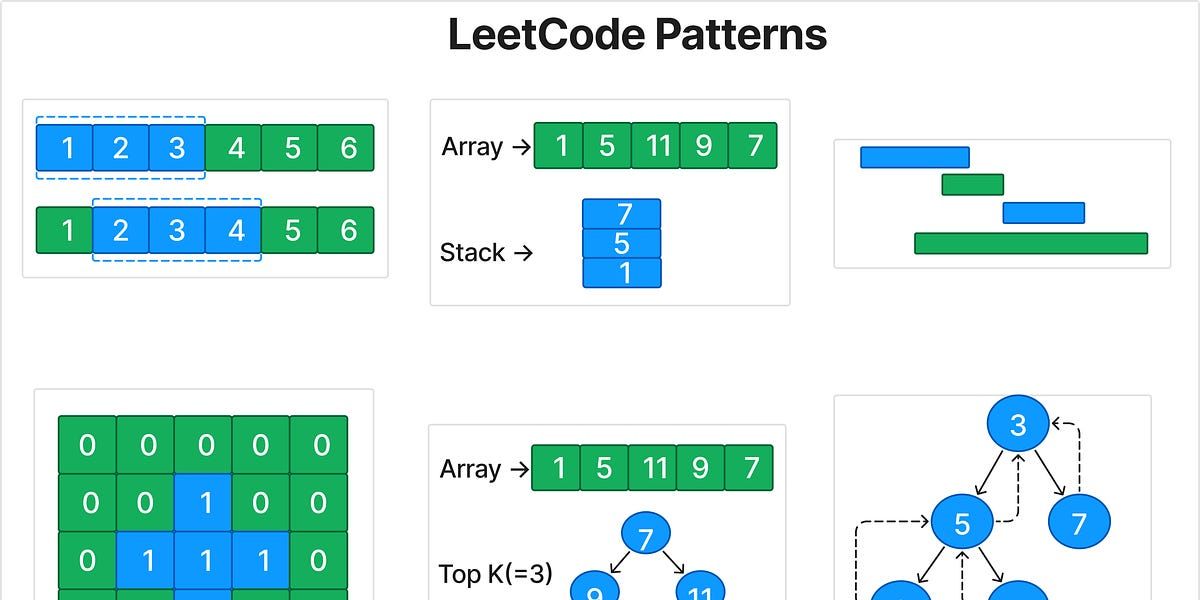
A pattern-focused guide to the Blind 75 and NeetCode 150 covering 12 core interview patterns, a 12-week study order, review process, and ready-to-interview signals.
A structured system design interview framework covering requirements clarification, capacity estimation, component design, and the scoring dimensions interviewers grade against.

Comprehensive DevOps interview preparation covering CI/CD pipelines, Kubernetes, Docker, Terraform, observability, and deployment strategies with real technical depth.

Prepare for AWS and Azure cloud technical interviews with coverage of IAM, VPC design, compute, storage, RBAC, and architecture questions that hiring managers actually ask.

How to recover from a bad technical interview: distinguish what went wrong, use the experience for targeted preparation, manage the psychological impact, and improve systematically.
Comprehensive guide to networking interview questions for IT roles: OSI model, TCP/IP, DNS, subnetting, routing protocols, firewall concepts, and cloud networking.

Study guide for Linux and sysadmin technical interviews: filesystem hierarchy, process management, systemd, permissions, log troubleshooting, and shell scripting questions.
How to approach take-home technical assessments: scoping your solution, writing tests, documenting your decisions, managing time, and avoiding the mistakes that cost candidates offers.

Technical interview preparation for security roles: CIA triad, network security, SOC incident response, cryptography, OWASP, and common security tools that interviews cover.

Understand every technical interview format from phone screens to onsite loops. Learn what each stage tests, how interviewers evaluate you, and how to prepare across formats.

Learn to recognize red flags in technical interviews: signs of poor engineering culture, dysfunctional team dynamics, bad management, and interview processes that predict unhealthy workplaces.

Master the whiteboard interview with proven strategies: how to structure your approach, narrate your thinking, handle being stuck, and self-review your solution.