

interviews
Tech Resume Format that Works Best in 2025
Learn the exact resume format that passes ATS filters and impresses tech hiring managers in 2025. Covers structure, skills, bullet points, and certifications.
Technical deep-dives, system design, behavioral questions, salary negotiation, and building a standout resume. All in one place.
Interviews are a skill - and like any skill, they improve with deliberate practice. Whether you are preparing for a technical coding interview, a system design round, a behavioral assessment, or a salary negotiation, the candidates who succeed are the ones who prepare systematically, not just thoroughly.
This collection covers every dimension of the modern tech interview process: FAANG-style technical screens, behavioral STAR method mastery, resume and LinkedIn optimization, HR and recruiter interactions, remote interviews, and compensation negotiation. Guides are written by hiring managers, senior engineers, and recruiters who know exactly what interviewers are looking for.
What you will find: Role-specific preparation guides, question banks with model answers, negotiation scripts, and tactical advice for every stage from application to offer.
STAR method, story preparation, and behavioral interview strategies
13 articlesAlgorithm prep, LeetCode strategy, and coding interview frameworks
10 articlesPreparation, communication, questions to ask, and follow-up strategies
10 articlesPhone screens, salary discussions, and advancing through the hiring funnel
10 articlesProduct design, metrics, estimation, and PM interview frameworks
10 articlesVideo interview setup and demonstrating remote work readiness
9 articlesWriting impactful tech resumes that pass ATS and earn interviews
10 articlesHow to negotiate job offers, counter-offers, and total compensation
8 articlesScalability, architecture, and how to approach open-ended design questions
1 articlesAll formats of technical interviews for IT and engineering roles
12 articlesLearn the exact resume format that passes ATS filters and impresses tech hiring managers in 2025. Covers structure, skills, bullet points, and certifications.
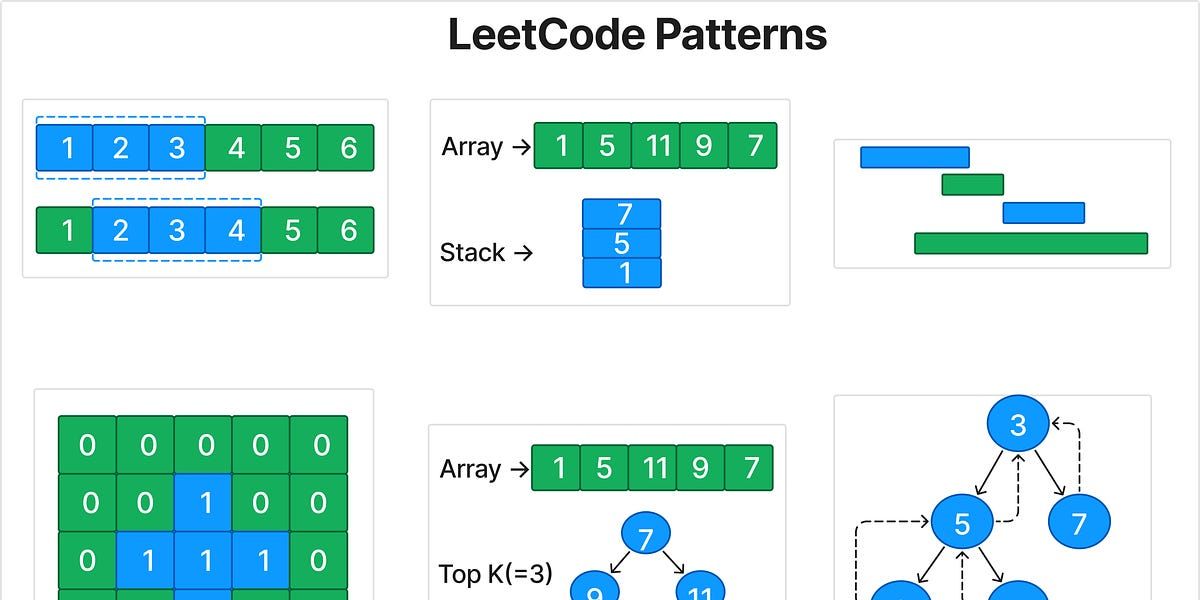
A pattern-focused guide to the Blind 75 and NeetCode 150 covering 12 core interview patterns, a 12-week study order, review process, and ready-to-interview signals.

A full guide to the behavioral interview failure question covering the STAR-L framework, anti-patterns to avoid, seniority calibration, and company-specific framing.

A structured system design interview framework covering requirements clarification, capacity estimation, component design, and the scoring dimensions interviewers grade against.

A tactical playbook for tech salary negotiation covering leverage sources, specific scripts, counteroffer timing, and level upgrades that produce six-figure total compensation gains.
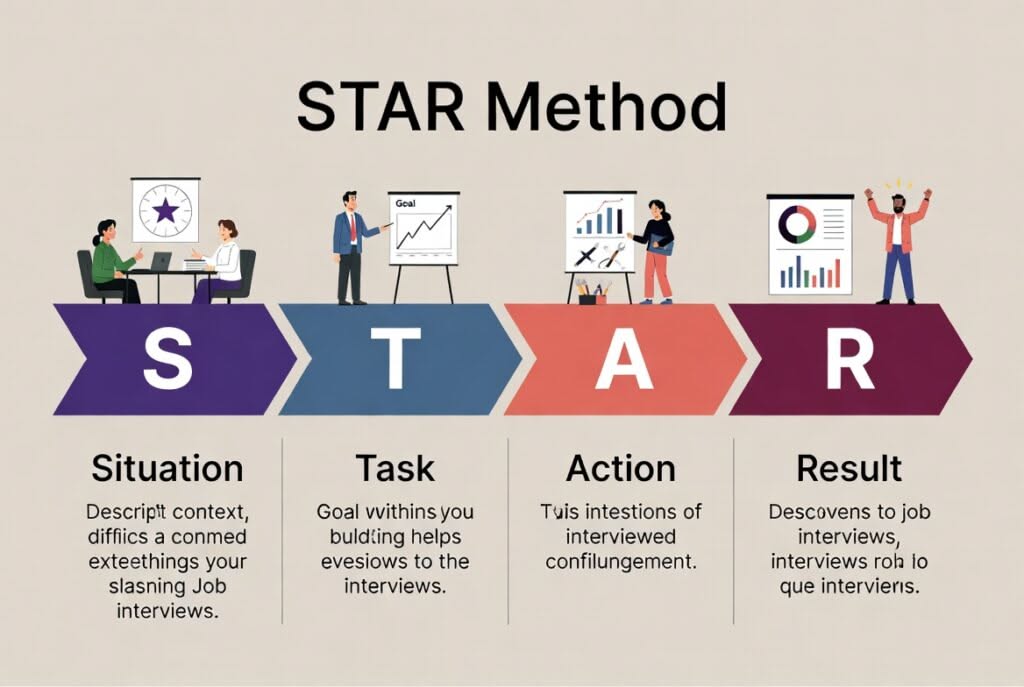
A behavioral interview preparation framework with the STAR structure, ready-to-adapt stories, and the scoring rubric interviewers actually use at top companies.

A structured 12-week LeetCode study plan covering 14 core algorithm patterns. Go from beginner to interview-ready for Google, Amazon, and Meta.
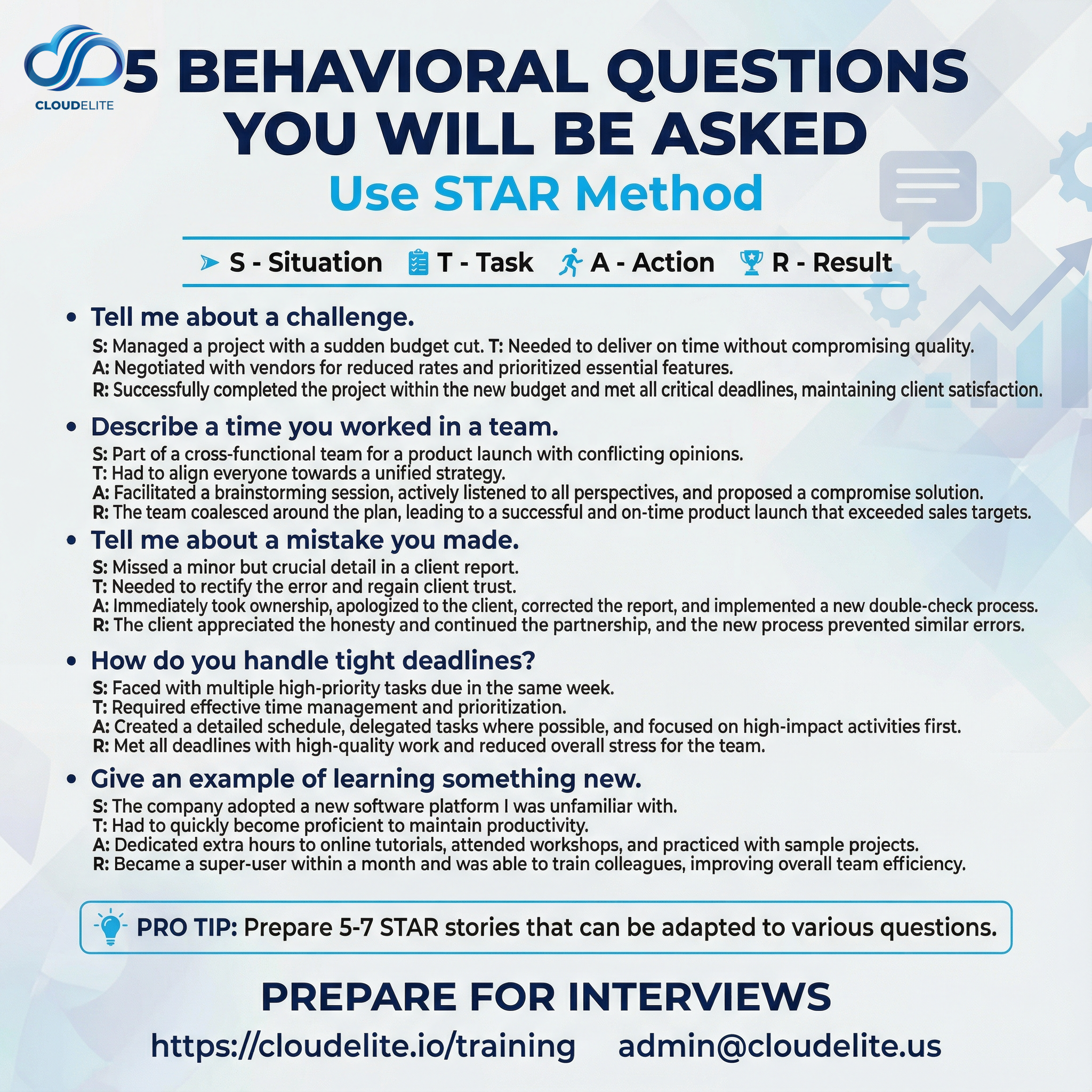
Master the STAR method for behavioral interviews. Learn how to structure Situation, Task, Action, and Result answers that impress hiring managers.

Learn which company research actually helps in interviews and what wastes your time. A structured 90-minute protocol for effective pre-interview preparation.
Learn what recruiters actually evaluate during phone screens and how to pass. Covers compensation questions, common mistakes, and a 30-minute prep protocol.

Complete technical checklist for video interview setup covering internet, audio, camera, lighting, and backup plans to ensure a smooth remote job interview.

Learn the 5-step framework for product design interviews at Google, Meta, and Amazon. Structure feature design answers that demonstrate product thinking.

Master system design interviews with a proven 4-phase framework covering requirements, high-level design, deep dives, and trade-off analysis for any question.

Learn proven salary negotiation tactics for tech job offers. Step-by-step framework covering timing, scripts, market research, and handling pushback.

Comprehensive DevOps interview preparation covering CI/CD pipelines, Kubernetes, Docker, Terraform, observability, and deployment strategies with real technical depth.

Prepare for AWS and Azure cloud technical interviews with coverage of IAM, VPC design, compute, storage, RBAC, and architecture questions that hiring managers actually ask.

How to recover from a bad technical interview: distinguish what went wrong, use the experience for targeted preparation, manage the psychological impact, and improve systematically.

Comprehensive guide to networking interview questions for IT roles: OSI model, TCP/IP, DNS, subnetting, routing protocols, firewall concepts, and cloud networking.

Study guide for Linux and sysadmin technical interviews: filesystem hierarchy, process management, systemd, permissions, log troubleshooting, and shell scripting questions.

How to approach take-home technical assessments: scoping your solution, writing tests, documenting your decisions, managing time, and avoiding the mistakes that cost candidates offers.

Technical interview preparation for security roles: CIA triad, network security, SOC incident response, cryptography, OWASP, and common security tools that interviews cover.

Understand every technical interview format from phone screens to onsite loops. Learn what each stage tests, how interviewers evaluate you, and how to prepare across formats.

Learn to recognize red flags in technical interviews: signs of poor engineering culture, dysfunctional team dynamics, bad management, and interview processes that predict unhealthy workplaces.

Master the whiteboard interview with proven strategies: how to structure your approach, narrate your thinking, handle being stuck, and self-review your solution.

Know when to walk away from a job offer by evaluating compensation against predetermined walk-away numbers, recognizing interview red flags, and avoiding rationalization traps that lead to poor decisions.

Learn how to negotiate equity compensation including RSUs at public companies and stock options at startups, with valuation frameworks, key questions to ask, and negotiation strategies.

Research salary before negotiating with Levels.fyi, Glassdoor, LinkedIn Salary, and recruiter conversations. Learn to build a target, acceptable, and walk-away number before any offer discussion.

Negotiate more than salary — learn how to negotiate signing bonuses, PTO, remote work flexibility, professional development, health benefits, and other perks with their real dollar values.

Learn how to handle competing job offers by disclosing leverage professionally, coordinating timelines, evaluating total compensation across offers, and negotiating with your preferred employer.

Understand how location affects tech salaries, the difference between location-based and location-neutral pay, location factor negotiation, and how to handle relocation salary adjustments.

Avoid the most common tech resume mistakes including vague bullet points, bad ATS formatting, missing skills sections, outdated experience, and objective statements that cost you interviews.

Learn how to write a tech cover letter that gets read, with a four-paragraph structure, specific company hooks, targeted technical arguments, and advice on when to skip cover letters.

Optimize your LinkedIn profile as a software engineer with headline strategies, About section narratives, skills keywords, portfolio features, and open to work settings that attract recruiters.

Learn how to tailor your resume to a job description with keyword alignment, summary adjustment, bullet reframing, and an efficient tracking system for multiple tailored applications.

Learn how to quantify resume accomplishments using specific metrics, before-and-after structures, conservative estimates, and the CAR and XYZ frameworks for stronger job applications.
Learn how to explain employment gaps on a resume and in interviews with honest, confident framing strategies for layoffs, caregiving, health, and career exploration gaps.
Learn how to use GitHub profiles and engineering portfolios to strengthen your resume with pinned repositories, strong READMEs, open source contributions, and effective portfolio links.

Understand how entry-level and senior engineer resumes differ in structure, language, section emphasis, and content to write a resume calibrated to your actual experience level.

Optimize your tech resume for applicant tracking systems with keyword matching strategies, ATS-safe formatting, skills section structure, and testing methods that improve your match score.

Build a productive home office with guidance on workspace design, internet requirements, audio and video equipment, and how to describe your setup in remote job interviews.

Prepare for remote job interview questions about productivity, async communication, time zones, and team connection with specific answer strategies and examples.

Learn what questions to ask about remote onboarding in job interviews to evaluate whether a company will set you up for success as a distributed employee.

Learn how to negotiate remote work arrangements effectively by building a business case, addressing employer concerns, and timing your request for maximum leverage.

Find legitimate remote job listings and evaluate whether a company has a genuine remote culture using specific signals, red flags, and interview questions.

Complete guide to video job interview preparation covering technology testing, camera position, lighting, audio quality, eye contact technique, and failure protocols.

Learn how to demonstrate remote work skills during job interviews through technical preparation, verbal descriptions of specific practices, STAR stories, and targeted questions.

Master asynchronous communication for remote work with tool selection guidance, writing practices, update formats, and async-friendly habits for distributed teams.

Learn how to answer PM roadmap interview questions with strategies for building, communicating, and adapting product roadmaps across different audiences.

Learn PM prioritization frameworks for interviews including RICE, ICE, Value vs. Effort 2x2, and MoSCoW, with application strategies and common mistakes.

Master PM interview metrics questions with the North Star framework, metric diagnosis methodology, and A/B test interpretation for product decisions.
Technical interview preparation depends on the role. For software engineering roles, focus on data structures, algorithms, and system design. For IT and infrastructure roles, review networking fundamentals, operating systems, and the specific technologies in the job description. Practice explaining your thought process out loud while solving problems. Research the company's tech stack and be ready to discuss your relevant project experience.
STAR stands for Situation, Task, Action, Result. It is a structured method for answering behavioral interview questions. Situation: briefly describe the context. Task: explain what you were responsible for. Action: describe specifically what YOU did. Result: share the measurable outcome. Prepare 8-10 STAR stories from your experience that can flex to different question types: leadership, conflict resolution, failure and recovery, technical problem-solving.
Salary negotiation starts with research: know the market rate for the role, level, and location using sources like Glassdoor, Levels.fyi, Blind, and LinkedIn Salary. Wait for the employer to make the first offer. Counter with a specific number (not a range) that is 10-20% above your target. Never accept on the spot. Negotiate the total package, not just base salary, including equity, bonus, PTO, and remote flexibility.
System design interviews test your ability to architect large-scale systems. Study core building blocks (load balancers, databases, caching, message queues, CDNs), learn to estimate scale, and practice designing common systems. Use a structured approach: clarify requirements, estimate scale, design the high-level architecture, dive deep into key components, identify bottlenecks. Read 'Designing Data-Intensive Applications' by Martin Kleppmann as your primary resource.
Ask questions that demonstrate strategic thinking and genuine interest: 'What does success look like in this role in the first 90 days?', 'What are the biggest technical challenges the team is currently facing?', 'How does the team handle incidents and post-mortems?', 'What does the career progression path look like from this role?' Never say you have no questions - it signals lack of interest.
LinkedIn is extremely important in tech hiring. Recruiters actively search LinkedIn for candidates, and a well-optimized profile generates inbound interest even when you are not actively searching. Key elements: professional headline with keywords, detailed work experience with measurable achievements, certifications prominently listed, and a skills section with at least 5 relevant technical skills.
Test your camera, microphone, and internet connection the day before. Choose a quiet, well-lit location with a neutral background. Have a backup plan (phone hotspot) if your internet fails. Dress professionally. For remote roles, expect behavioral questions about your self-management, asynchronous communication style, and ability to work independently. Demonstrate comfort with remote tools like Slack, Jira, and Zoom in your answers.